

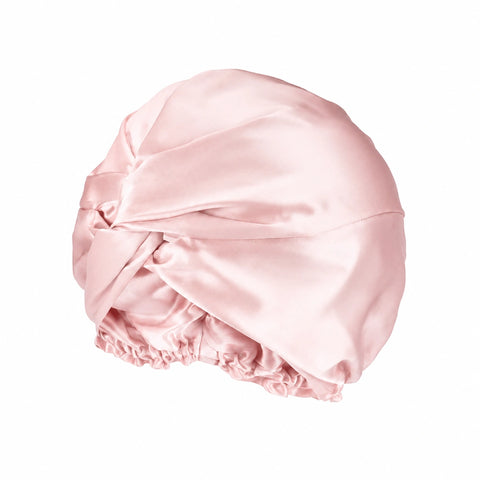


Daylight Savings and Sleep: Better Sleep with a Silk Pillowcase
The clock change disrupts your circadian rhythm for 2 to 5 days. To soften the effect: shift your bedtime by 15–20 min a day starting three days before, get plenty of morning light, and keep your bedroom at 18–20°C. Smooth and thermoregulating, silk helps stabilise the temperature of your face and limit micro-awakenings during the transition.
Twice a year, the clock change throws our body clock off balance. Here is how to ease the transition with good sleep hygiene habits — and the role breathable bedding can play.

Why the clock change disrupts sleep
The clock change shifts our circadian rhythm. Winter time brings earlier darkness, increased melatonin production and sometimes unusual daytime fatigue. The result: trouble falling asleep, waking too early or "broken" sleep for a few days.
Common symptoms
- Drowsiness or an energy dip in the afternoon.
- Taking longer to fall asleep, or waking during the night.
- Irritability or a slight dip in mood.
Good habits for better sleep
Prepare your rhythm three days ahead
Shift your bedtime and wake-up time by 15 to 20 minutes a day to gently ease your body into the change.
Adjust light and temperature
Get natural light in the morning and dim the lights in the evening. Keep your bedroom between 18 and 20°C.
Avoid stimulants
Cut back on caffeine after 3 pm and opt for light evening meals.
Silk: an ally during the transition
A mulberry silk pillowcase helps you cope better with the temperature changes that come with the clock change and the turn of the seasons.
Natural temperature regulation
Silk stays cool when it is warm and keeps a gentle warmth when it is cool — ideal in autumn and winter.
Less friction, more comfort
Its smooth texture reduces friction on your face and hair, limiting micro-awakenings and night-time discomfort.
Sensory soothing
Its soft, gliding feel creates a cocooning effect that helps you unwind before drifting off.
Evening ritual: a light dinner at a set time, dimmed lights and screens put away 30 min before bed, then a few calm breaths as you rest your face on a soothing, breathable fabric.
Frequently asked questions
2 to 5 days on average. Morning light exposure and a regular bedtime speed up the adjustment.
Silk limits micro-friction and keeps the temperature of your face more stable, reducing micro-awakenings caused by heat or discomfort.
No, but it is a good time to air out, clean and adapt your pillowcase to the season: silk for thermoregulating softness, linen or fine cotton for lightness.