

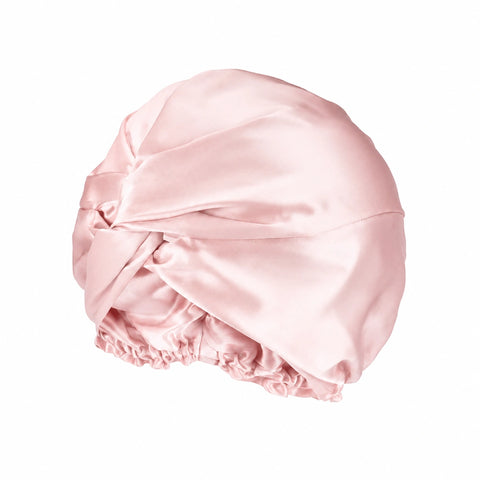


Pillowcase and night sweats: which fabric stays the coolest?
The material of your pillowcase has a direct effect on your thermal comfort at night. For people who sweat a lot at night, here are the materials ranked by how well they regulate temperature:
- Grade 6A mulberry silk — natural temperature regulation, smooth surface, passive moisture release. Best option.
- Linen — very breathable, ideal in summer, firmer texture than silk.
- Cotton percale — breathable but absorbs and holds moisture: a damp feeling when you wake up.
- Polyester satin — not recommended: traps heat and moisture, builds up static electricity.
Silk does not stop you sweating — it passively regulates the contact temperature and releases excess heat without the "sponge" effect of cotton.
Night sweats are one of the most common complaints when it comes to sleep quality. A damp feeling on waking, sticky skin, frizzy hair, bed linen soaking up the moisture — if your pillowcase traps heat instead of regulating it, the problem gets worse night after night. Yet the simplest solution is often the least known: change the material.
This guide compares pillowcase materials on their real ability to handle heat and moisture at night.
Why your pillowcase material has a direct effect on how much you sweat
The head is one of the parts of the body that sweats the most during sleep — and it is in direct, continuous contact with the pillowcase for 7 to 9 hours. How well that fabric handles heat and moisture directly shapes sleep quality, how fresh you feel on waking and the condition of your skin and hair.
Three mechanisms come into play:
Temperature regulation
The fabric's ability to maintain a stable temperature against the skin. Mulberry silk naturally adapts to changes in body temperature.
Moisture release
The difference between a fibre that absorbs and holds sweat (cotton) and a fibre that passively releases it without holding it (silk). Absorption creates the sticky feeling on waking.
Thermal friction
A rough surface creates micro-friction that stimulates nerve endings and disturbs light sleep. The ultra-smooth surface of silk eliminates this friction.
The protein structure of mulberry silk — comparable to that of human keratin — allows it to adapt passively to changes in body temperature during the night. Its natural proteins, sericin and fibroin, interact gently with the skin and help maintain a stable thermal balance throughout sleep.
Mulberry silk — a naturally temperature-regulating fibre
Grade 6A mulberry silk is the most effective material for people who sweat a lot at night. Its temperature regulation is not a marketing claim — it comes from the protein composition of the fibre, rich in sericin and fibroin, whose structure adapts passively to changes in room and body temperature.
How silk regulates night sweats
Unlike cotton, which absorbs sweat and holds it in its fibres — creating that lingering damp feeling — mulberry silk is not very absorbent. It does not trap moisture but lets air circulate freely through its structure of long, even fibres. Excess heat escapes passively and the skin stays drier throughout the night.
Silk and night-time hot flushes
Sleep specialists frequently recommend mulberry silk to women going through the menopause or perimenopause who suffer from hot flushes at night. Silk's temperature regulation — cool when the temperature rises, mild when it falls — is particularly well suited to the sudden swings in body temperature typical of these episodes.
Silk does not stop sweating — that is not its role. It passively regulates the skin contact temperature and releases moisture without holding it. If you sweat heavily at night for medical reasons (hyperhidrosis, menopause, fever), see a doctor. Silk improves comfort but does not treat the underlying cause.
The full silk pillowcase collection
Grade 6A · OEKO-TEX® · 19 to 30 momme · Free delivery in France
Discover the collectionMaterials compared — silk, linen, cotton, polyester satin
Not all materials are equal when it comes to night sweats. Here is an objective analysis based on the physical properties of each fibre.
| Material | Temperature regulation | Moisture release | Cool to the touch | Sensitive skin |
|---|---|---|---|---|
| Grade 6A silk Recommended | Natural | Passive — no retention | Excellent | Perfect — hypoallergenic |
| Linen | Good in summer | Very good | Very good | Firm texture — less soft |
| Cotton percale | Limited | Absorbs and holds | Fair | Fair — can irritate |
| Cotton jersey | Poor | Highly absorbent | Mediocre | Soft but warm |
| Polyester satin | None | None — traps it | Poor | Not recommended |
Why cotton is not suited to night sweaters
Cotton is hygrophilous — it absorbs and holds moisture. Unlike linen, which disperses it quickly, cotton keeps sweat in contact with the skin. This is the direct cause of the clammy feeling and damp bed linen typical of hot nights on cotton.
6 tips for cooler nights
Change your pillowcase every 2 to 3 days
If you sweat a lot, keep 2 to 3 pillowcases in rotation. Silk dries quickly after washing — the rotation and washing cycle is easy to keep up.
Air your bedroom for 10 minutes before bed
Fresh air prevents residual heat from building up. A bedroom at 18-20°C helps you fall asleep and reduces night sweats.
Avoid overly occlusive night creams
Very rich textures create an impermeable film on the skin that amplifies the feeling of heat. Opt for light serums applied to slightly damp skin.
Wash your silk pillowcase regularly
Every 2 to 3 weeks with normal use, every 2 to 3 days if you sweat heavily. Regular washing preserves silk's temperature-regulating properties.
Drink some water before bed
Mild dehydration increases night-time sweating as a compensatory mechanism. A glass of cool water 30 minutes before bed can reduce episodes.
See a doctor if you sweat heavily
Sudden, heavy night sweats can point to medical causes — menopause, hyperthyroidism, infection. Bedding improves comfort but does not replace a diagnosis.
Frequently asked questions about night sweats and pillowcases
No — silk does not block sweating, which is a natural and necessary physiological mechanism. What it does: passively regulate the skin contact temperature and release moisture without holding it. You do not get the damp feeling typical of cotton, which absorbs and holds moisture. The perceived difference is significant, even though sweating itself does not stop.
The head has a high density of sweat glands and plays a central role in regulating body temperature. When you overheat at night, the head sweats first as the priority cooling mechanism. Common causes: a bedroom that is too warm (ideally 18-20°C), menopause and hot flushes, stress and anxiety, certain medications, hyperthyroidism, and unsuitable bedding that traps heat.
Grade 6A mulberry silk is the coolest and most temperature-regulating material whatever the season. Linen is an excellent alternative for very hot summer nights, with maximum breathability but a less soft texture. Cotton percale is acceptable for light sweaters. Polyester satin is best avoided in summer.
Yes — it is one of the most frequent recommendations from sleep specialists for women going through the menopause. The temperature regulation of mulberry silk — cool when the temperature rises, mild when it falls — is particularly well suited to sudden temperature swings. Silk does not treat hot flushes but reduces their impact on sleep quality.
For moderate sweating: 2 pillowcases in rotation, washed every week. For heavy sweating: 3 pillowcases, changed every 2 days. Mulberry silk dries quickly after washing (2 to 3 hours in the open air) — the rotation is easy to keep up even with only a few pillowcases.
Machine wash at 30°C on a delicate cycle, with a gentle detergent free of enzymes and bleach, and a light spin of 600 rpm maximum. Dry flat or hanging in the shade — never in a tumble dryer. For the full routine and the mistakes to avoid, see our complete guide to caring for a silk pillowcase.